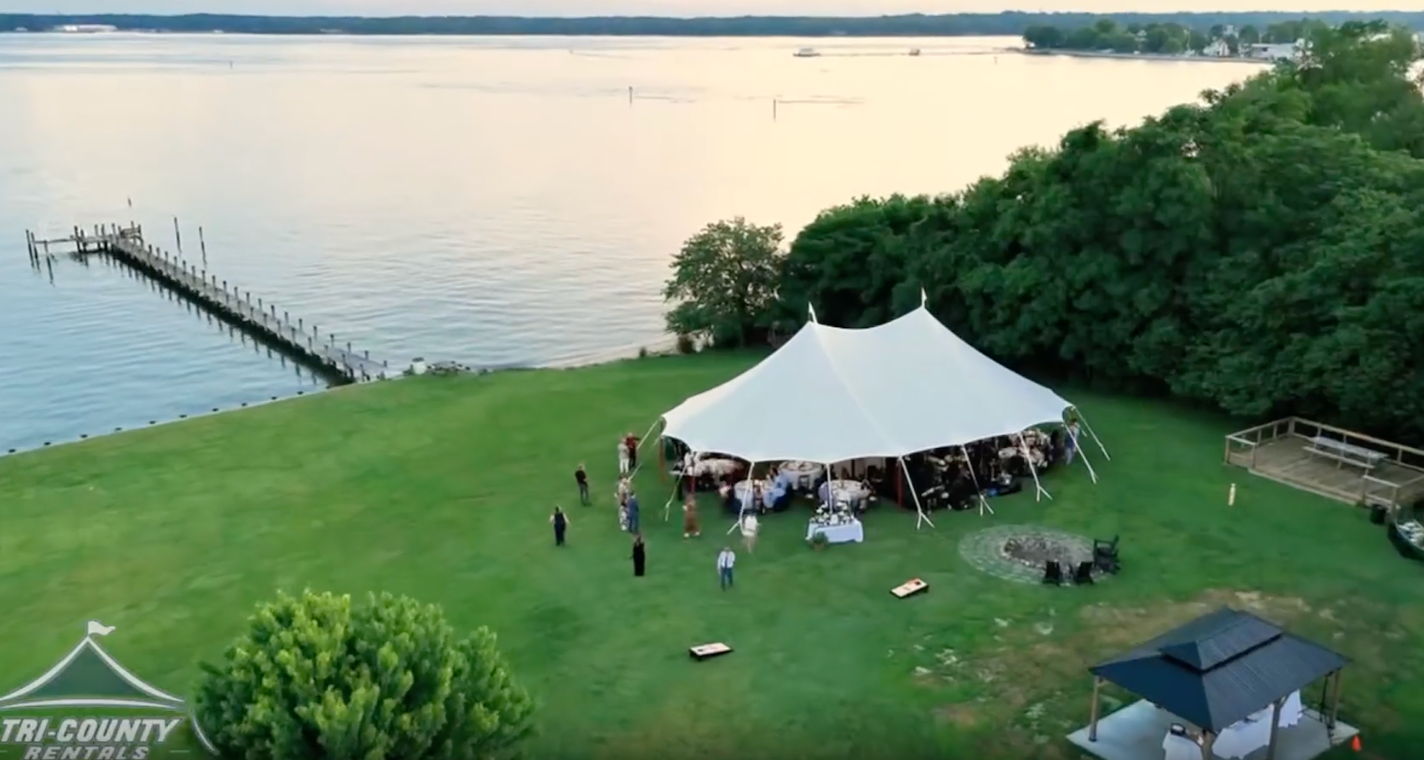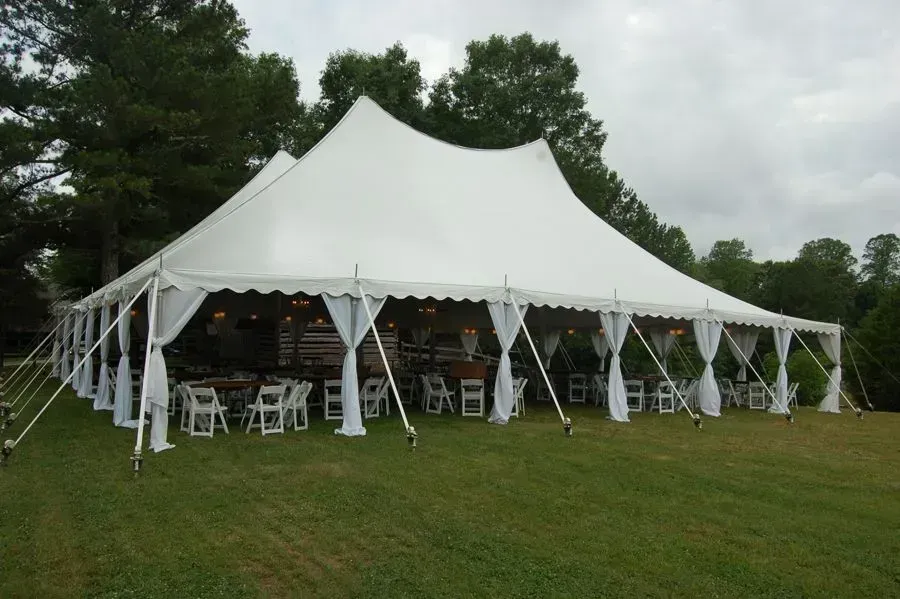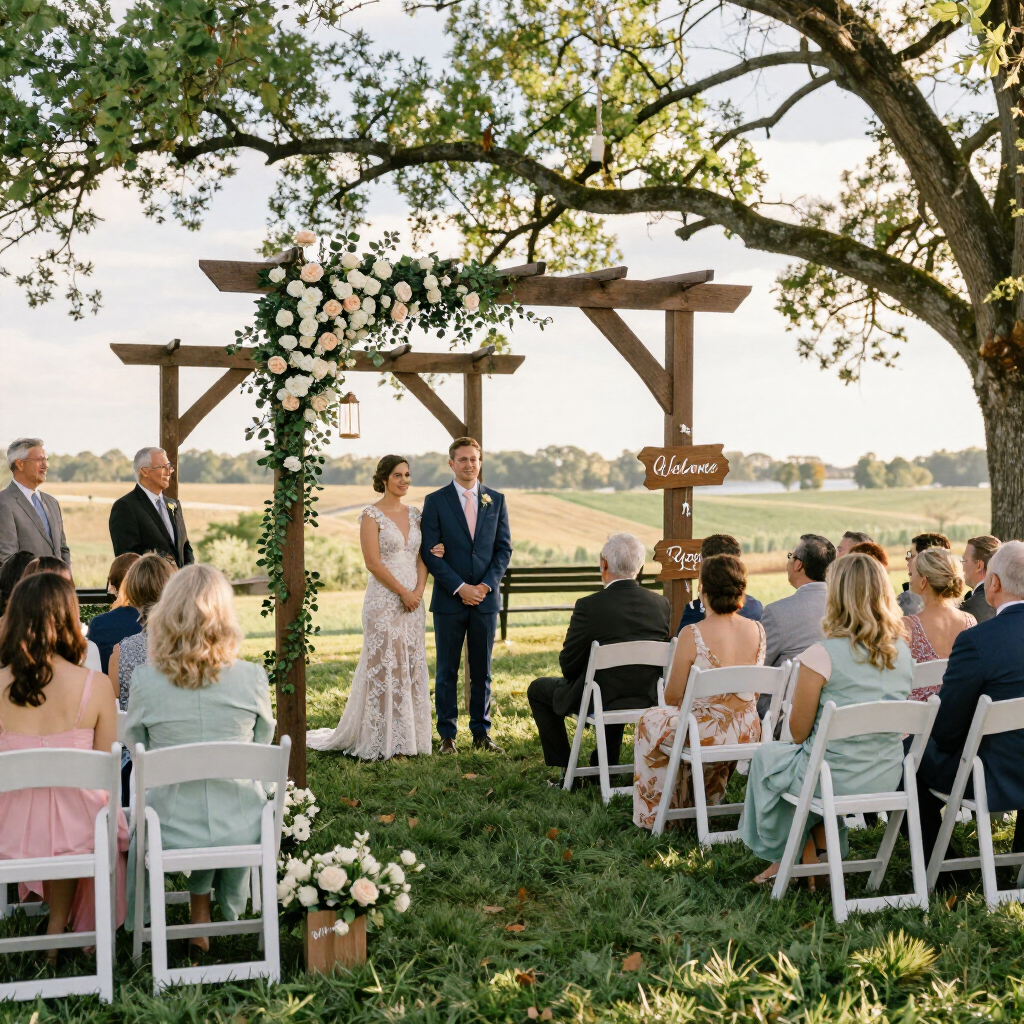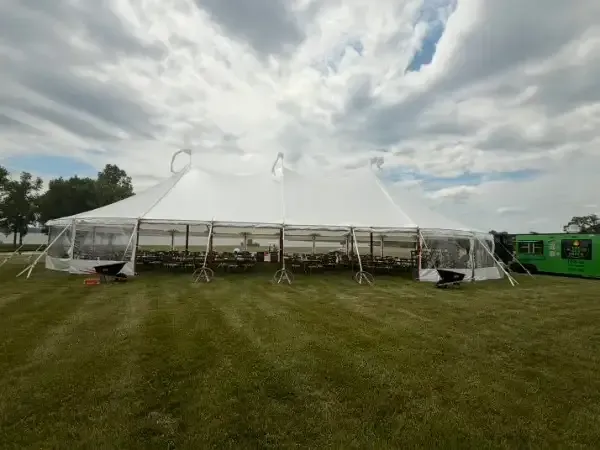

If You're Planning An Outdoor Event, Perhaps You Should Plan On A Tent!!
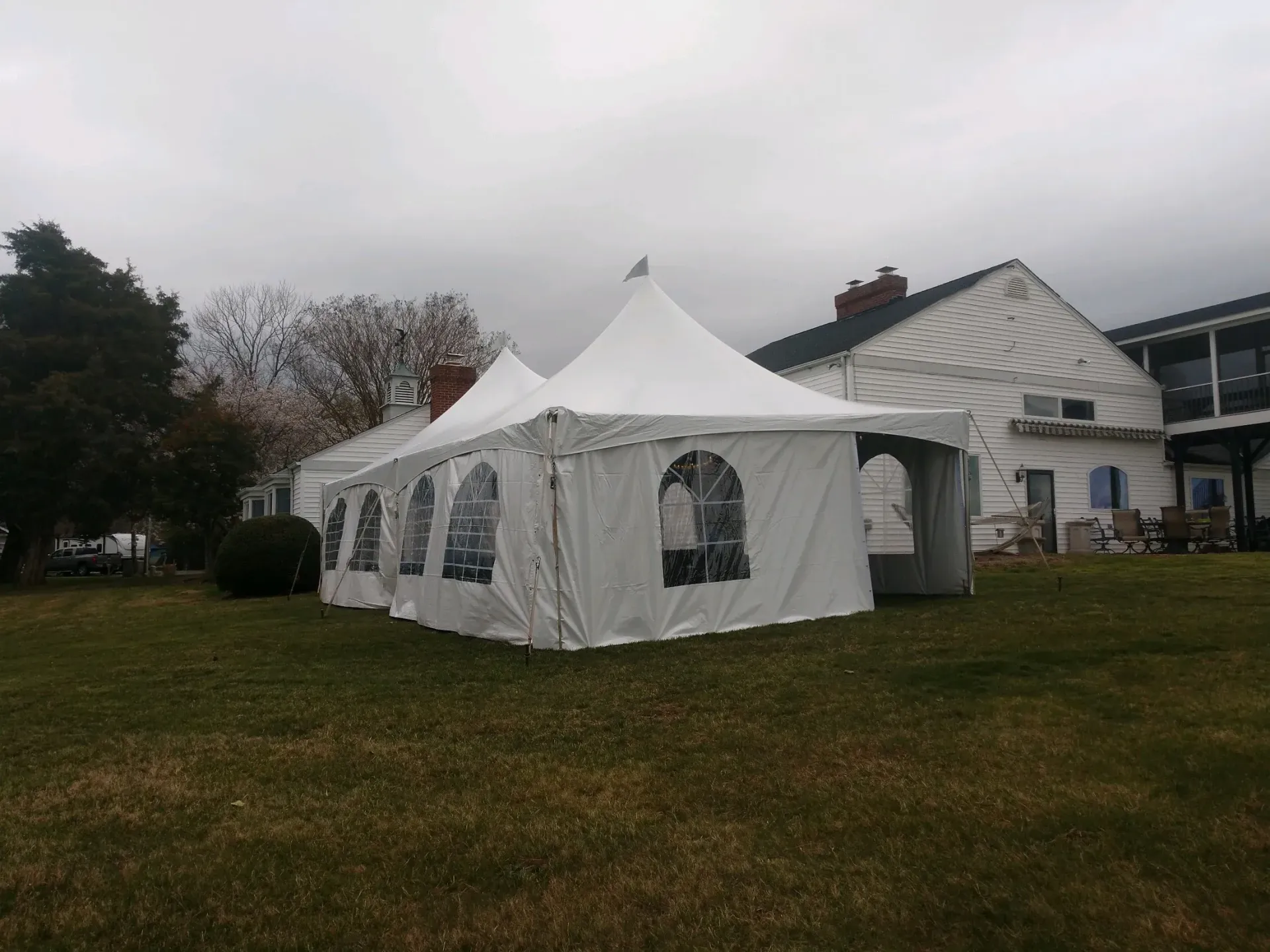
You Might Even Want Sides...
Planning an outdoor event? Here’s how to read the weather like a pro:
📆 1 Month Before: Check Long-Term Trends Start monitoring extended forecasts from reliable sources like the National Weather Service or Weather.com. While long-range forecasts aren't always precise, they can reveal patterns worth paying attention to — like a historically rainy stretch in your region or an approaching weather system. Use this window to finalize your tent rental if you haven't already, since availability fills up fast and having a tent booked gives you one less thing to worry about as the date approaches.
📅 1 Week Before: Monitor Daily Updates Forecasts become significantly more reliable within 7 days of your event. Check updates every morning and start making decisions about sidewalls, heating, or cooling based on what you're seeing. If there's a strong chance of rain or wind, contact your tent rental company now to confirm your order includes everything you need — it's much easier to add sidewalls a week out than the day before.
📍 1 Day Before: Watch Hourly Forecasts At this point you should be checking hourly breakdowns, not just daily summaries. Know exactly when any rain or wind is expected and brief your vendors accordingly. Make sure your tent is fully secured, sidewalls are in place if needed, and you have a communication plan for guests in case conditions change quickly. A little preparation the day before means you spend your event enjoying it rather than managing it.
Accurate forecasting saves stress and keeps your event smooth. How do you handle weather surprises? Let’s talk!
Why a Tent Is Essential for Any Outdoor Event:
The single biggest risk to any outdoor event is weather you didn't plan for. A sudden afternoon thunderstorm, unexpected wind, or even just stronger-than-expected sun can turn a carefully planned celebration into a stressful scramble — unless you have a tent.
A quality event tent does more than keep rain off your guests. It defines your event space, protects your décor, keeps your catering setup intact, and gives everyone a comfortable place to gather regardless of what the sky is doing. It also gives your photographers defined lighting conditions to work with and keeps your sound equipment and DJ setup protected from the elements.
Think of a tent not as a backup plan but as a foundation. The best outdoor events are the ones where the hosts thought ahead — and a tent is the most visible sign of that preparation. At Tri-County Tent Rentals, we help you choose the right size and style for your specific venue and guest count so that when your event day arrives, weather is the last thing on your mind.
Outdoor Event Planning Checklist:
Beyond the weather, a successful outdoor event requires attention to several details that indoor venues handle automatically. Here's what to think through well in advance:
Ground Conditions Walk your venue site after a rain to understand how the ground drains. Low spots that pool water or soft ground that won't hold tent stakes properly need to be identified early. Our crew assesses every site before setup, but knowing your terrain ahead of time helps us recommend the right anchoring approach.
Power and Lighting
Outdoor
venues often have limited electrical access. Make a list of everything that needs power — DJ equipment, catering warmers, string lights, fans or heaters — and confirm your venue can support it. If not, a generator may be needed. We can advise on power requirements based on your tent size and accessories.
Guest Comfort Think about temperature, restroom access, and accessibility for guests with mobility needs. Heating and cooling options are available for most tent styles and make a significant difference in guest experience, especially in Southern Maryland's humid summers and cool fall evenings.
Noise and Permits Some counties in Maryland and Virginia require event permits for gatherings above a certain size, especially those with amplified music. Check with your local county office well in advance. St. Mary's, Calvert, and Charles Counties each have their own requirements, so don't assume — confirm early.
Vendor Coordination
Make sure every vendor — caterer, florist, photographer, DJ — knows the tent layout and arrival/setup sequence. Provide them with the site address, parking instructions, and a contact number for the day of. The more clearly you communicate expectations in advance, the smoother setup day goes.
Backup Plan Even with a tent, have a contingency in mind for extreme weather scenarios. Know at what wind speed or lightning proximity you'd move guests inside or pause the event, and make sure your venue has an indoor space available if needed.
What happens if it rains at my outdoor event?
If you have a properly sized tent with sidewalls, rain is a non-issue for your guests. Your tent creates a fully covered, self-contained event space that keeps everyone dry and comfortable. We recommend adding sidewalls to any rental where there's a reasonable chance of precipitation — they can be rolled up on nice days and dropped quickly if conditions change.
How early should I reserve a tent for an outdoor event?
As early as possible — ideally 3 to 6 months in advance for spring and summer dates, which are our busiest season. Fall dates around harvest season book up quickly too. Last-minute rentals are sometimes possible but availability isn't guaranteed, so early booking is always the safer approach.
Do I need a permit for an outdoor event tent in Maryland?
It depends on your county and the size of the tent. Many jurisdictions require a permit for tents over a certain square footage, particularly for events with amplified music or large guest counts. We can help guide you on what's typically required in St. Mary's, Calvert, and Charles Counties, but we recommend confirming directly with your local county office as requirements can change.
Can I use a tent on a hard surface like a driveway or parking lot?
Yes. Tents can be set up on hard surfaces using weighted ballast instead of ground stakes. This is common for corporate events, parking lot festivals, and venues where staking into the ground isn't possible. Let us know your surface type when you request your estimate so we can plan accordingly.
How much space do I need around my tent?
As a general rule, allow at least 10 feet of clearance on all sides of the tent for staking, guy lines, and safe access. More clearance is better, especially on sites with trees, fences, or other structures nearby. We'll assess your specific site and let you know exactly what's needed.
Ready to start planning your outdoor event? The earlier you lock in your tent rental, the more options you'll have — and the less you'll have to worry about as your event date approaches. Tri-County Tent Rentals serves Southern Maryland and parts of Northern Virginia, handling everything from initial consultation to full setup and teardown.
Contact us today for a free estimate and let's make sure your outdoor event is ready for anything.